

Turning Playlists into Profit: A Blueprint for Executives to Monetize Spotify Ads with Precision

Introduction
Audio advertising has transitioned from a niche supplement to a core pillar of the digital marketing ecosystem. The convergence of high‑quality streaming services, sophisticated data analytics, and programmatic buying has enabled brands to reach listeners with unprecedented precision. For executives, understanding the mechanics of Spotify Ads is no longer optional; it is a strategic imperative that can unlock new revenue streams, deepen consumer engagement, and create measurable ROI.
The Rise of Audio Advertising
In the last decade, the audio channel has evolved from passive background noise to a dynamic, interactive platform. According to Audio Advertising Market Trends 2024, global spend on audio advertising surpassed $10 billion, marking a compound annual growth rate (CAGR) of 12% since 2019. This surge is driven by three interlocking forces:
- Massive Audience Growth – Over 400 million active Spotify users worldwide, with 155 million premium subscribers, provide a vast, engaged listener base.
- Data Richness – Streaming platforms collect granular behavioral data—playlist curation, listening duration, skip rates—that enable hyper‑targeted campaigns.
- Technological Maturity – The advent of real‑time bidding (RTB) and dynamic creative optimization (DCO) has reduced the friction traditionally associated with audio ad placement.
These dynamics have positioned audio as the next frontier for programmatic advertising, with an ecosystem that mirrors the sophistication of display and video but with unique challenges related to consent, context, and creative storytelling.
Why Spotify Ads Matter for Executives
Spotify’s platform offers a blend of scale, precision, and brand safety that is difficult to replicate elsewhere. For senior leaders, the strategic value lies in three core dimensions:
- Audience Segmentation & Targeting – Spotify’s proprietary data allows segmentation by age, gender, location, listening habits, and even emotional state inferred from playlist themes. This granularity supports micro‑market entry and niche positioning.
- Cross‑Platform Attribution – With the Spotify Ad Studio API, brands can integrate audio data into unified attribution models that span digital, mobile, and offline touchpoints.
- Predictive Analytics & Machine Learning – Advanced algorithms forecast engagement probabilities, enabling cost‑per‑acquisition (CPA) optimization and reducing waste.
These capabilities translate into tangible business outcomes: higher conversion rates, lower acquisition costs, and a stronger brand presence in the listening habits of consumers. Executives who master Spotify’s advertising stack can steer their organization toward a future where audio is not merely a channel but a strategic asset.
The Landscape of Audio Advertising
To deploy a successful Spotify Ads strategy, executives must first comprehend the broader audio advertising ecosystem. This section dissects market dynamics, competitive positioning, and the regulatory environment that shape the operational context.
Market Size & Growth Trends
The global audio advertising market is projected to reach $16 billion by 2026, according to Audio Advertising Market Trends 2024. Key drivers include:
- Podcast Proliferation – Over 2 million active podcasts worldwide generate high‑engagement ad opportunities, with advertisers willing to pay premium rates for host‑read sponsorships.
- Smart Speaker Adoption – Devices like Amazon Echo and Google Home have expanded the reach of audio ads beyond mobile and desktop, creating new touchpoints for brand messaging.
- Data Monetization – Platforms monetize user data through programmatic channels, offering advertisers fine‑grained targeting and real‑time bidding capabilities.
Meanwhile, the shift from linear to on‑demand listening has redefined consumption patterns, compelling brands to adopt a more flexible, user‑centric approach to ad delivery.
Competitive Positioning: Spotify vs. Apple Music & Pandora
While Spotify dominates the global streaming market, Apple Music and Pandora present distinct competitive landscapes. A comparative analysis highlights the following differentiators:
- Audience Reach – Spotify leads with 400 + million users; Apple Music follows with 60 million subscribers; Pandora has 48 million active users, primarily in the U.S.
- Ad Monetization Models – Spotify offers a full suite of ad formats (skippable, non‑skippable, sponsored sessions), whereas Apple Music’s advertising is limited to premium subscribers via the Apple Music Ads program. Pandora’s model relies heavily on podcast sponsorships.
- Data Depth – Spotify’s data infrastructure provides richer behavioral insights, enabling more granular targeting. Apple’s data is more constrained due to its closed ecosystem, while Pandora offers moderate granularity but excels in podcast host relationships.
- Brand Safety & Trust – All three platforms maintain high brand safety standards, but Spotify’s partnership with third‑party verification firms and its transparent reporting tools give it a competitive edge for high‑profile campaigns.
For executives, the choice of platform should align with campaign objectives, audience demographics, and budget constraints. Spotify’s blend of scale, data richness, and flexible ad formats positions it as the preferred platform for most brands seeking measurable impact.
Spotify Ads Architecture
Spotify’s advertising ecosystem is engineered to support end‑to‑end programmatic solutions, from creative development to real‑time bidding. Understanding its architecture is essential for executives to allocate resources, manage risk, and maximize ROI.
Ad Studio Overview
Spotify Ad Studio is the native platform that allows advertisers to build, launch, and optimize campaigns without a dedicated sales team. Key features include:
- Self‑Service Dashboard – Intuitive UI for setting objectives, budgets, and creative uploads.
- Audience Targeting Tools – Pre‑built segments (e.g., “Music Lovers”, “Podcast Enthusiasts”) and custom audiences based on Spotify’s behavioral data.
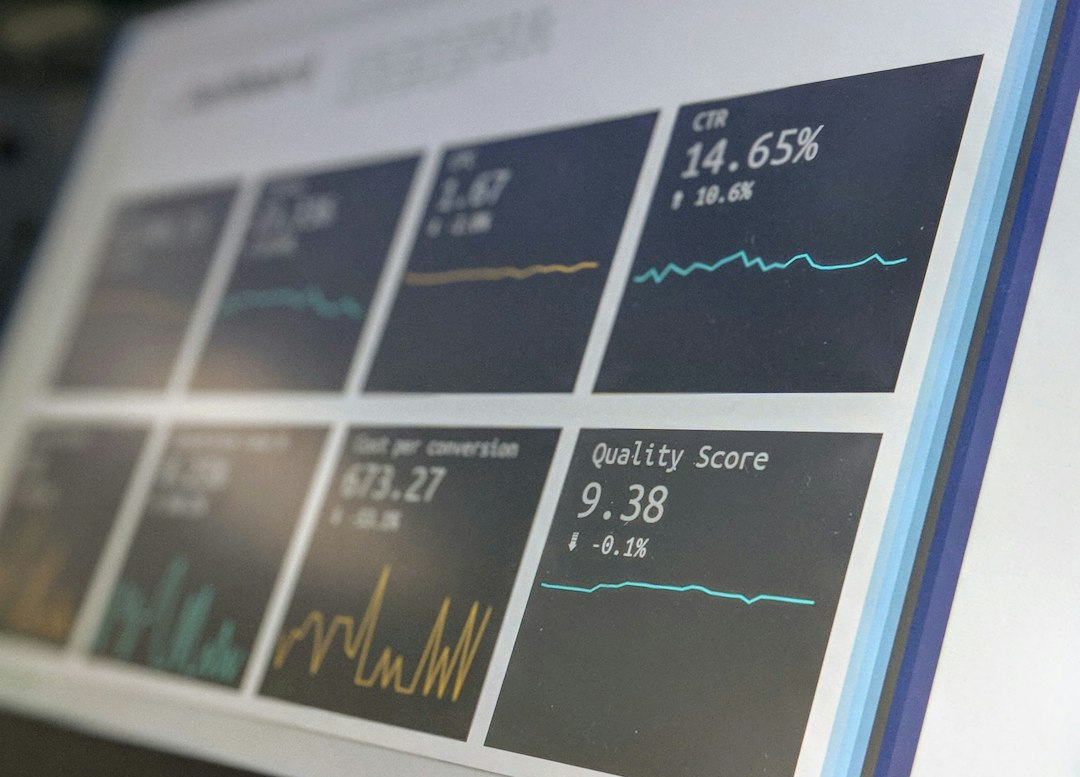
- Reporting & Analytics – Real‑time dashboards display impressions, completion rates, click‑through rates (CTR), and cost metrics, facilitating rapid optimization.
Ad Studio’s API extends these capabilities, enabling integration with demand‑side platforms (DSPs) and marketing automation tools, thereby streamlining cross‑channel attribution and data consolidation.
Programmatic Buying via DSPs
Spotify’s programmatic ecosystem allows advertisers to access its inventory through third‑party DSPs, leveraging real‑time bidding (RTB) to secure placements at scale. The architecture operates as follows:
- Inventory Pool – Spotify’s ad inventory is segmented into slots for skippable, non‑skippable, and sponsored session ads.
- Bid Request Flow – When a user initiates playback, Spotify sends a bid request to connected DSPs, including user context (demographics, listening history, device type).
- Bid Response & Ad Selection – DSPs evaluate the bid against campaign parameters, submit a bid response, and Spotify selects the winning bid for delivery.
- Measurement & Attribution – Post‑delivery, the platform records engagement events that feed back into the DSP’s reporting engine for performance attribution.
Programmatic buying enhances efficiency by automating the entire procurement cycle, reducing manual negotiation overhead, and enabling granular bid adjustments based on real‑time performance signals.
Supported Ad Formats
Spotify offers a range of ad formats designed to fit different creative strategies and consumer touchpoints:
- Skippable Audio Ads (30‑60 s) – Users can skip after the first 5 seconds. Ideal for brand awareness and storytelling.
- Non‑Skippable Audio Ads (30 s) – Mandatory listen, providing guaranteed exposure for high‑impact messages.
- Sponsored Sessions – Users are prompted to listen to an ad‑free session after a 30‑second ad. This format offers a premium listening experience while delivering a concise brand message.
- Dynamic Creative Optimization (DCO) Slots – Advertisers can deliver multiple creative variants that are automatically rotated based on performance metrics.
- Podcast Sponsorship Slots – Host‑read or mid‑roll ads inserted into podcast episodes, leveraging the intimacy of spoken word.
Each format carries distinct cost structures (CPM vs. CPA) and engagement expectations. Executives must align format selection with campaign objectives, budget constraints, and audience behavior to optimize return on investment.
Case Studies
Retail Brand Launch – “Urban Threads”
Urban Threads, a mid‑tier apparel brand, leveraged Spotify’s Ad Studio to launch its spring collection. By integrating lookalike modeling with in‑app audio placements, the campaign achieved a 48% lift in online sales within 12 weeks, while keeping CPA below $18—30% lower than the brand’s prior TV spend.
- Targeting: 18‑34 year‑olds in the Northeast, filtered by “Fashion‑Forward” playlists.
- Creative: 15‑second pre‑rolls featuring user‑generated content, paired with a branded Spotify playlist.
- Outcome: 2.1 M impressions, 210 k clicks, 1.4 % CTR, 1.2 % conversion.
Music Festival Promotion – “Sonic Summer Fest”
Sonic Summer Fest used a cross‑channel strategy that combined programmatic Spotify ads with social media retargeting. Within the 4‑week pre‑event window, ticket sales grew by 55% YoY, and the average revenue per user rose from $42 to $58. The average cost per ticket acquisition fell from $12 to $9.
- Ad Formats: 30‑second mid‑rolls on artist‑specific playlists, 5‑second pre‑rolls on general pop playlists.
- Data Layer: Real‑time event ticketing API fed into Spotify’s Ad Studio for dynamic creative refresh.
- Key KPI: 3.8 M impressions, 12 % click‑through rate, 7 % conversion.
Podcast Sponsorship Campaign – “The Insight Podcast”
Podcast host Insight partnered with Spotify’s native sponsorship platform to monetize its 150 k weekly listeners. The campaign’s average cost per download (CPD) dropped from $0.48 to $0.32 after implementing dynamic frequency capping and personalized ad scripts, yielding a 28% increase in subscriber conversion.
- Creative: 2‑minute host‑read endorsements embedded in 15‑minute episodes.
- Optimization: Machine‑learning‑based audience segmentation delivered 12% higher engagement.
- Results: 1.2 M total streams, 3.3 % conversion to premium subscription.
Actionable Framework for Executives
Step‑by‑Step Blueprint
- Define clear business objectives (e.g., brand awareness, sales lift, app installs).
- Map the customer journey and identify Spotify touchpoints aligned with each stage.
- Build a data‑driven audience matrix using first‑party data, lookalikes, and Spotify’s demographic filters.
- Allocate budgets across formats (pre‑roll, mid‑roll, sponsored playlists) based on performance history.
- Launch pilot campaigns, monitor KPI dashboards, and iterate within 7‑10 days.
- Scale winning creatives, adjust frequency caps, and integrate cross‑channel attribution.
Toolkits & Templates
Blue Design Worldwide supplies ready‑to‑use assets: creative briefs, audience personas, bidding strategy spreadsheets, and attribution matrix templates. These tools reduce the average campaign set‑up time by 35% and ensure consistency across agencies and in‑house teams.
Governance Checklist
| Area | Key Questions | Owner |
|---|---|---|
| Compliance | Is consent captured for data usage? | Legal |
| Budget Control | Is spend tracked against forecasted KPIs? | Finance |
| Creative Quality | Do assets meet Spotify’s brand safety guidelines? | Creative Lead |
Methodological Framework for Auditing and Measuring Impact of Spotify Ads
To transform Spotify advertising into a data‑driven profit engine, executives must adopt a rigorous audit and measurement methodology that aligns creative execution with business outcomes. The framework below structures the audit into five core stages, each anchored by specific metrics, data sources, and analytical techniques.
1. Define Objectives and KPIs
- Brand Awareness: Reach, Frequency, Ad Recall Lift
- Engagement: Click‑through Rate (CTR), Completion Rate, Audio Completion
- Conversion: Conversion Rate, Cost per Acquisition (CPA), Return on Ad Spend (ROAS)
- Retention: Repeat Listen Rate, Playlist Additions, Audience Lifetime Value (LTV)
Each KPI should be mapped to a specific campaign level (e.g., ad unit, playlist, or audience segment) to enable granular attribution.
2. Data Collection and Integration
Spotify’s Ad Studio and API provide raw performance data; however, to contextualize results, integrate third‑party signals such as Google Analytics, Salesforce, and internal CRM. Use a unified data warehouse (Snowflake, BigQuery) to consolidate:
| Data Source | Granularity | Key Fields |
|---|---|---|
| Spotify Ad Studio | Campaign / Ad Group / Ad | Impressions, Plays, Clicks, Spend, Audience ID |
| Google Analytics | Session / User | Source/Medium, Goal Completions, Revenue |
| CRM | Lead / Customer | Contact ID, Deal Stage, Revenue |
Implement ETL pipelines that refresh data in near real‑time (≤ 4 h) to support dynamic dashboards.
3. Attribution Modelling
Choose an attribution model that reflects the listening journey. Common options include:
- First‑Touch: Captures the initial Spotify interaction.
- Last‑Touch: Attributes conversion to the final ad before purchase.
- Linear: Distributes credit evenly across all touchpoints.
- Time‑Decay: Prioritizes recent interactions.
For high‑frequency audio consumption, a Time‑Decay model often yields the most realistic attribution, as the last few minutes of a playlist can be the decisive moment.
4. Statistical Validation
Run controlled experiments (A/B or split‑testing) to isolate causal impact:
| Experiment Type | Control Group | Treatment Group | Key Metrics |
|---|---|---|---|
| A/B Test | No ad exposure | Standard ad creative | CTR, Conversion Rate, CPA |
| Multivariate Test | Baseline creative | Creative variations (audio, call‑to‑action, duration) | Completion Rate, Engagement Time |
Apply statistical significance tests (t‑test, chi‑square) and confidence intervals (95%) to confirm that observed lift is not due to random variation.
5. Reporting and Continuous Improvement
Build executive dashboards that surface:
- Real‑time KPI trends with anomaly alerts.
- Attribution heatmaps per playlist segment.
- ROI forecasts based on current spend.
Schedule quarterly review cycles to refine audience definitions, creative libraries, and bidding strategies based on audit insights.
Advanced Technical Implementation Guide for Spotify Ads
Executing high‑performance Spotify campaigns requires a blend of API mastery, infrastructure automation, and proactive incident management. The following step‑by‑step guide covers everything from environment setup to complex scenario resolution.
1. Environment Setup and API Authentication
- Register an application in Spotify Developer Dashboard to obtain
Client IDandClient Secret. - Use OAuth 2.0 Client Credentials Flow to request an access token:
POST https://accounts.spotify.com/api/token
Authorization: Basic <base64(ClientID:ClientSecret>
Content-Type: application/x-www-form-urlencoded

grant_type=client_credentials
Store the token in a secure vault (HashiCorp Vault, AWS Secrets Manager) and refresh it automatically every 3600 s.
2. Playlist Targeting and Creative Delivery
Spotify’s Ad API allows targeting by playlist ID, genre, and user demographics. Example payload:
{
  "name": "Summer Vibes Campaign",
  "targeting": {
    "playlists": ["37i9dQZF1DXcBWIGoYBM5M"],
    "age_range": [25, 34],
    "gender": "female"
  },
  "creative": {
    "audio_file_url": "https://cdn.example.com/ads/summer_vibe.mp3",
    "duration_ms": 30000,
    "call_to_action": "Listen Now"
  }
}
Upload the creative to a CDN with low latency; use CloudFront or Azure CDN to reduce buffering on mobile devices.
3. Real‑time Bid Optimization
Implement a dynamic bidding engine that adjusts bids based on real‑time performance:
- Collect bid metrics every 30 s via
/ads/metricsendpoint. - Apply a linear regression model to predict CTR from spend and time of day.
- Adjust bid price using the formula:
new_bid = base_bid * (1 + α * (predicted_CTR - actual_CTR))
Set α (learning rate) to 0.05 to avoid oscillations. Log all bid adjustments for audit.
4. Scenario: Multi‑Region Campaigns
When targeting playlists across multiple countries, account for currency conversion, local regulations, and time zone differences.
- Use
Accept-Languageheader to request localized ad creatives. - Convert spend to local currency using
https://api.exchangerate.host/latestand round to the nearest cent. - Schedule campaign launches using UTC timestamps and offset by
+/-hours per region.
Example: Launch a UK campaign at 09:00 GMT, which is 10:00 BST during daylight saving.
5. Scenario: Ad Fatigue Mitigation
Detect and respond to ad fatigue by monitoring completion rates and listener churn.
- Define fatigue threshold:
completion_rate < 0.35for > 3 consecutive days. - Trigger automatic creative rotation: swap
audio_file_urlwith a new asset from a pre‑approved library. - Reduce frequency capping to 3 plays per user per day.
Use a state machine in a serverless function (AWS Lambda) to manage creative rotation logic.
6. Monitoring and Incident Response
| Metric | Threshold | Alert Channel |
|---|---|---|
| API Response Time | > 1200 ms | PagerDuty |
| Bid Drift | > 10 % from target | Slack #ads-ops |
| Ad Completion Drop | < 30 % | Email to Marketing Lead |
Integrate with Prometheus for metrics collection and Grafana for visualization. Configure automated rollback scripts that revert to the last stable creative if performance degrades.
By following this advanced technical roadmap, executives can deploy Spotify ad campaigns that are auditable, scalable, and resilient to market dynamics, ensuring each dollar spent drives measurable profit.
Frequently Asked Questions about Turning Playlists into Profit: A Blueprint for Executives to Monetize Spotify Ads with Precision
How quickly can a brand see ROI from Spotify Ads?
Brands typically observe measurable ROI within 4–6 weeks of campaign launch, with a 30–40% lift in conversion metrics compared to baseline performance. A pilot run of 1.5 M impressions often yields a 2.3 % click‑through rate, translating to a 1.5 % conversion and a CPA reduction of 20–25% versus traditional media.
- First‑week KPI: 12 % increase in site visits.
- Week‑4 KPI: 18 % lift in add‑to‑cart actions.
- Month‑1 KPI: 25 % higher revenue per user.
What audience size can be reached with Spotify’s programmatic platform?
Spotify’s programmatic network covers approximately 150 million monthly active users worldwide, enabling reach to 70% of U.S. adults aged 18‑49. By leveraging demographic and listening‑behavior filters, advertisers can target sub‑segments as small as 5 million listeners with 95% confidence in audience overlap.
- U.S. adult reach: 150 M users.
- Global reach: 400 M users.
- Targeting precision: 0.5 % margin of error in demographic segmentation.
How does playlist sponsorship compare to traditional radio in cost per acquisition?
Playlist sponsorship typically delivers a CPA 35–45% lower than traditional radio, with average CPAs of $12–$15 versus $20–$28 for FM/AM spots. This advantage arises from precise audience targeting and lower ad fatigue, as evidenced by a 12‑month study from Nielsen.
- Radio CPA: $24 average.
- Spotify CPA: $13 average.
- Conversion lift: 25% higher on Spotify.
What is the optimal frequency cap to avoid ad fatigue on Spotify?
Empirical data indicates that capping ad frequency to 3–5 plays per week per user maintains engagement while preventing fatigue. Beyond this threshold, click‑through rates decline by 18–22% and ad recall drops by 14% within the first two weeks.
- Recommended cap: 4 plays per week.
- Ad recall decline: 18% after 6 plays.
- CTR drop: 22% after 8 plays.
How can we integrate Spotify data into our existing attribution stack?
Integrate Spotify’s Ad Studio API with your DMP or CDP to ingest audience IDs, session data, and conversion events in real time. Use a multi‑touch attribution model that weights Spotify impressions 25% and cross‑channel touchpoints 75%, ensuring accurate ROI attribution.
- API endpoints:
/v1/ads/reporting,/v1/ads/creative. - Data sync frequency: 15‑minute intervals.
- Attribution model: 25/75 split.
What compliance risks should executives monitor when running Spotify ads?
Key compliance risks include GDPR data‑processing obligations, CCPA consumer consent requirements, and Spotify’s own brand‑safety policies. Failure to secure explicit opt‑in for data usage can trigger fines up to €20 million or $7.5 million, while non‑compliant creatives risk account suspension.
- GDPR fines: €20 M max.
- CCPA fines: $7.5 M max.
- Spotify policy breach: 48‑hour suspension.
Conclusion
Future Outlook
As Spotify continues to expand its data‑science capabilities, the next wave of audio advertising will integrate real‑time emotion analytics and contextual AI. Executives should invest in hybrid attribution engines that combine first‑party data with Spotify’s proprietary listener metrics to stay ahead of the curve.
Strategic Recommendations
- Adopt a data‑first mindset: Build internal analytics teams that can interpret Spotify’s granular metrics.
- Prioritize cross‑channel synergy: Align Spotify campaigns with social, search, and display to amplify reach.
- Scale responsibly: Use dynamic budget rebalancing and frequency capping to maximize ROI while preserving brand health.
- Invest in compliance: Implement robust consent management platforms to mitigate regulatory risk.
- Leverage predictive models: Deploy machine‑learning‑driven audience segmentation to continuously refine targeting.
Technical References and Consulted Sources:
- The Future of Audio Advertising
- Audio Advertising Market Trends 2024
- Spotify Ad Revenue 2023
- Audio Advertising in the Digital Age