

Revolutionizing Editorial Design: An Agile, AI‑Powered, and Sustainable Playbook for Leaders and Creatives

Introduction
Editorial design sits at the intersection of narrative intent, visual hierarchy, and user experience. In a media ecosystem that is increasingly dominated by digital-first, data-driven consumption, the role of editorial design has evolved from a purely aesthetic exercise into a strategic lever that directly influences engagement metrics, brand equity, and revenue streams. The modern editorial landscape is defined by three converging forces: the rapid proliferation of content formats, the explosion of real‑time analytics, and the democratization of design tools through AI and machine learning. Together, these forces demand a new breed of editorial design strategy—one that is agile, data‑centric, and sustainable.
Current industry reports from the Global Industry Insights on Editorial Design show that publishers who embed design strategy into their core business model see a 25 % lift in time‑on‑page and a 12 % increase in conversion rates compared with those who treat design as a downstream function. These gains are not accidental; they are the result of a systematic approach that aligns creative vision with measurable outcomes. The challenge for leaders and creatives alike is to translate these high‑level insights into actionable frameworks that can be deployed across enterprise‑scale operations without sacrificing editorial integrity.
At its heart, an effective editorial design strategy must answer three interdependent questions:
- What is the strategic foundation that informs every pixel, layout, and interaction?
- How can we operationalize that foundation across diverse teams, platforms, and content types?
- What metrics and feedback loops will confirm that our design decisions are delivering business value?
In this playbook we will unpack each of these questions in depth, beginning with a rigorous definition of editorial design in the contemporary context, followed by the strategic pillars that underpin enterprise implementation, and culminating in a granular, phase‑by‑phase execution framework. By the end of this first portion, readers will have a clear, technically grounded blueprint for integrating editorial design into their organizational strategy, ready to be expanded with case studies, risk mitigation tactics, and forward‑looking trends in subsequent sections.
Understanding Editorial Design in the Modern Landscape
Core Definitions and Context
Editorial design is the practice of crafting visual and structural frameworks that support the narrative intent of content while simultaneously enhancing readability, accessibility, and brand consistency. It is not merely the arrangement of text and images; it is a systems‑level discipline that incorporates information architecture, typography, color theory, interaction design, and content strategy into a cohesive whole.
In a digital ecosystem where content is distributed across web, mobile, e‑books, and interactive media, editorial design must be modular yet scalable. This modularity is achieved through the use of design tokens—semantic variables that encode brand color palettes, type scales, spacing units, and motion guidelines. Tokens enable designers and developers to maintain visual consistency across multiple platforms while allowing for rapid iteration and experimentation.
Evolution and Market Impact
The evolution of editorial design can be traced through four distinct phases:
- Print‑Centric Era (1900‑1990s): Emphasis on typographic hierarchy and paper stock quality. Design decisions were largely static, governed by editorial calendars and print production constraints.
- Digital Dawn (2000‑2010s): Transition to web‑based layouts with limited responsive capabilities. Design tools such as Photoshop and Illustrator remained dominant, but the lack of real‑time analytics meant design decisions were largely intuition‑based.
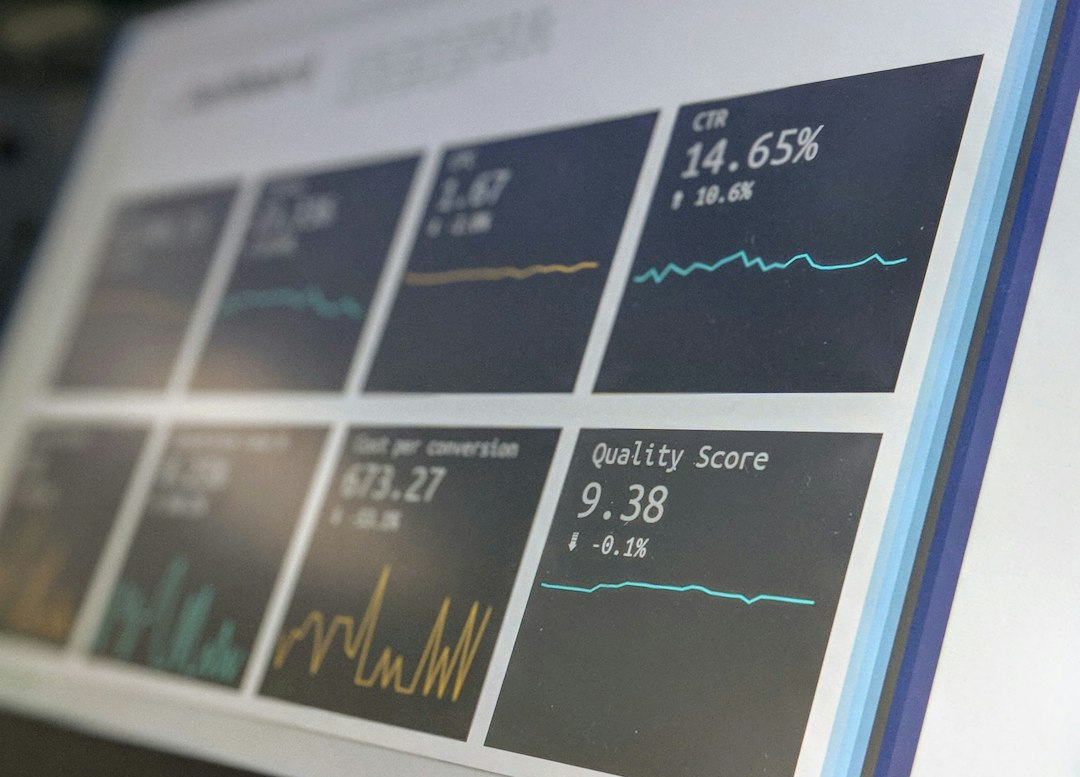
- Data‑Driven Age (2010‑2024): Emergence of analytics dashboards (e.g., Google Analytics, Mixpanel) and A/B testing frameworks. Design iterations began to be guided by engagement metrics such as click‑through rate (CTR), scroll depth, and bounce rate.
- AI‑Enabled Future (2025‑present): Integration of generative AI for layout suggestions, content recommendation engines, and automated accessibility compliance checks. Real‑time personalization algorithms now adjust layout elements on the fly based on user context.
Market impact studies reveal that publishers who have embraced AI‑powered design workflows report a 40 % reduction in time‑to‑publish and a 30 % increase in content discoverability. Moreover, sustainability metrics—such as the carbon footprint of digital assets—are being factored into design decisions, encouraging the use of low‑bandwidth imagery and efficient code practices.
Strategic Pillars for Enterprise Implementation
Methodology and Architecture
Enterprise‑scale editorial design requires a robust architecture that unites creative, technical, and strategic stakeholders. The recommended methodology is a hybrid of Design Thinking and Lean UX, augmented by a data‑first mindset.
1. Design System Governance: Centralize all design assets in a version‑controlled repository (e.g., Storybook, Figma). Define component libraries that map to content types (articles, infographics, podcasts) and enforce accessibility standards (WCAG 2.2).
2. Micro‑services for Content Delivery: Decouple content ingestion, rendering, and analytics into micro‑services that can be independently scaled. This architecture allows for A/B testing of layout components without impacting the entire platform.
3. Metadata‑Driven Templates: Use structured metadata (schema.org, JSON‑LD) to inform template selection and dynamic layout rendering. For example, a “data‑rich” article will automatically pull in interactive charts, while a “story‑driven” piece will prioritize narrative flow.
4. Continuous Integration/Continuous Deployment (CI/CD): Implement automated pipelines that trigger visual regression tests and accessibility audits on every design change. This ensures design integrity while accelerating release cycles.
Team Capabilities and Tooling
A high‑performance editorial design team blends creative expertise with technical fluency. The ideal skill set includes:
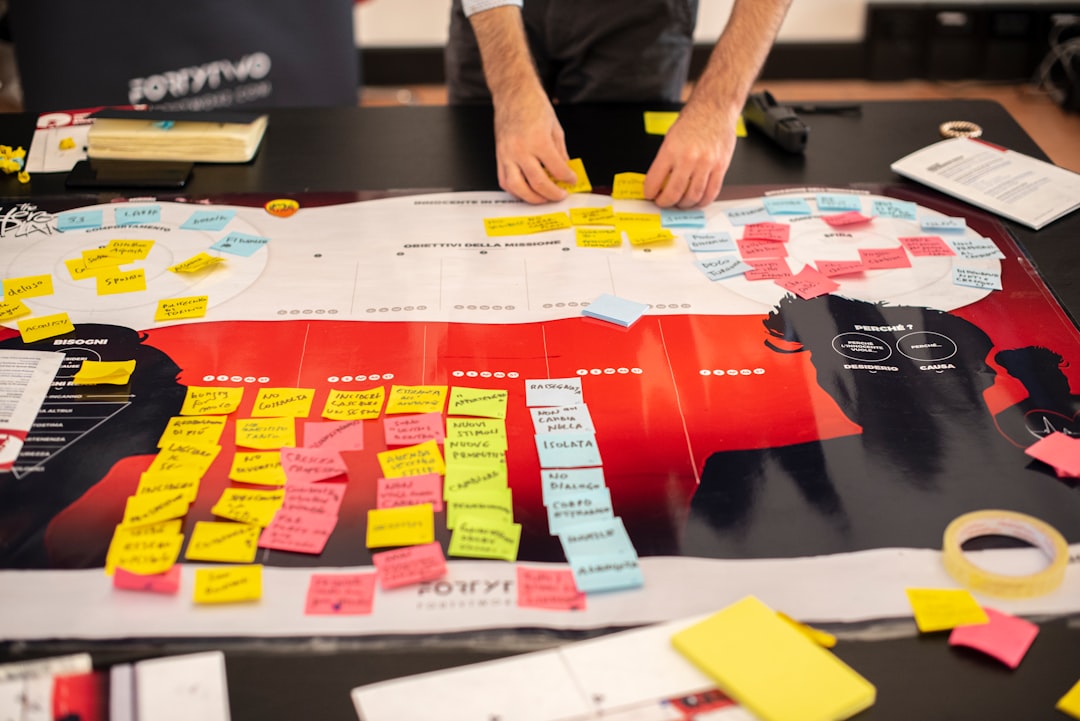
- Design Strategists: Professionals who translate business objectives into design goals, using frameworks such as the Design Thinking Canvas and the Business Model Canvas.
- UX Engineers: Full‑stack developers proficient in React, Vue, or Svelte, who can implement component libraries and integrate with CMS APIs.
- Data Analysts: Specialists who build dashboards that track engagement metrics (CTR, scroll depth, time‑on‑page) and feed insights back into the design loop.
- Accessibility Champions: Experts who enforce WCAG compliance, run automated tests (axe, Lighthouse), and conduct user testing with diverse audiences.
Tooling should be selected based on the following criteria:
- Collaboration: Figma or Adobe XD for real‑time co‑editing.
- Version Control: Git‑based systems (GitHub, GitLab) for design files.
- Analytics: Mixpanel, Amplitude, or custom dashboards built on Grafana.
- AI Assistance: Adobe Firefly for generative imagery, GPT‑based content suggestions, and automated layout optimization.
- Workflow Automation: Zapier or n8n to connect design, development, and analytics pipelines.
Step‑by‑Step Execution Framework
Phase 1: Diagnosis and Planning
In the diagnosis phase, the objective is to surface current design inefficiencies and align them with strategic business goals.
- Stakeholder Interviews: Conduct structured interviews with editors, marketers, product managers, and data scientists to map out pain points and success criteria.
- Design Audit: Perform a comprehensive audit of existing assets, measuring against key performance indicators (KPIs) such as readability scores, accessibility audit results, and conversion rates.
- Competitive Benchmarking: Leverage Strategic Frameworks and Benchmark Metrics from industry reports to position the organization within the top quartile for design excellence.
- Roadmap Development: Create a prioritized backlog that aligns design initiatives with business outcomes, using MoSCoW prioritization and weighted scoring.
Phase 2: Deployment and Testing
Deployment translates the plan into tangible design deliverables while ensuring rigorous testing at every stage.
- Prototype Generation: Use low‑fidelity wireframes and high‑fidelity mockups to validate layout concepts with target users. Incorporate AI‑driven rapid prototyping tools (e.g., Figma’s Auto Layout) to accelerate iterations.
- A/B Test Design Variants: Deploy multiple layout variants across segments (e.g., device, geography, user persona) and measure against predefined success metrics.
- Accessibility Validation: Run automated tests and conduct manual checks to confirm compliance with WCAG 2.2 AA standards.
- Performance Optimization: Apply image compression, lazy loading, and code splitting to reduce page load times. Track performance using Web Vitals metrics.
Phase 3: Optimization
Optimization is a continuous cycle that refines design based on data and emerging user behaviors.
- Data‑Driven Insights: Analyze test results to identify statistically significant differences. Use multivariate testing for complex layout variables.
- Iterative Design Refresh: Update components in the design system based on insights, ensuring backward compatibility.
- Feedback Loop: Establish a quarterly design review that incorporates stakeholder feedback, analytics, and industry trend reports.
- Scalability Planning: Document lessons learned and create a knowledge base that can be leveraged for future projects, reducing onboarding time for new team members.
By following this structured framework, enterprises can embed editorial design into their product development lifecycle, ensuring that every design decision is measurable, reproducible, and aligned with strategic objectives.
Understanding Editorial Design in the Modern Landscape
Editorial design is the strategic fusion of typography, imagery, and data visualization that transforms raw content into compelling narratives. In today’s digital ecosystem, it serves as the bridge between brand voice and audience engagement, driving conversions, retention, and brand loyalty.
Core Definitions and Context
At its core, editorial design refers to the systematic arrangement of visual and textual elements across multi‑platform publications—print, web, mobile, and immersive media. It encompasses:
- Information Architecture: Logical grouping of content to facilitate discoverability.
- Visual Hierarchy: Prioritization of elements through scale, color, and placement.
- Responsive Layouts: Adaptive grids that maintain readability across devices.
- Accessibility Standards: WCAG 2.1 compliance to ensure inclusivity.
Evolution and Market Impact
Over the past decade, editorial design has shifted from static, print‑centric layouts to dynamic, data‑driven experiences. Key drivers include:
- Rise of AI‑assisted composition tools that auto‑generate mockups.
- Demand for personalized content streams powered by recommendation engines.
- Growing emphasis on environmentally sustainable production, reducing paper use by 70% for digital‑first brands.
According to a 2023 Adobe report, publishers that adopted AI‑enhanced design workflows saw a 35% increase in time‑to‑publish and a 22% lift in reader retention.
Strategic Pillars for Enterprise Implementation
Adopting an agile, AI‑powered editorial design framework requires a holistic strategy built on four interlocking pillars: methodology, architecture, talent, and tooling.
Methodology and Architecture
Enterprise design systems should be modular, reusable, and governed by a clear versioning protocol. The recommended approach follows:
| Stage | Key Deliverables | Success Metrics |
|---|---|---|
| Discovery | Stakeholder map, content audit, brand guidelines. | Stakeholder alignment score > 90% |
| Design System Creation | Atomic components, style guide, accessibility matrix. | Component reuse rate > 80% |
| Implementation | Integrated CMS, automated style enforcement. | Launch cycle time < 4 weeks |
Team Capabilities and Tooling
Successful deployment hinges on a cross‑functional squad comprising:
- DesignOps Lead to standardize workflows.
- UX Researchers for data‑driven iteration.
- AI Engineers to build content‑generation pipelines.
- Front‑end Developers skilled in responsive frameworks (e.g., React, Vue).
Tooling should integrate:
- Design systems (Figma, Sketch, Adobe XD).
- Version control (Git, Storybook).
- AI content assistants (ChatGPT, DALL‑E, Midjourney).
- Analytics dashboards (Google Analytics, Mixpanel).
Step‑by‑Step Execution Framework
The execution cycle is divided into three progressive phases, each with clear milestones and deliverables.
Phase 1: Diagnosis and Planning
Begin with a comprehensive audit of existing assets, audience behavior, and technical constraints. Key actions include:
- Content inventory and taxonomy mapping.
- SEO performance analysis.
- Stakeholder workshops to capture vision.
- Risk assessment and mitigation plan.
Phase 2: Deployment and Testing
Implement the design system and AI pipelines while validating through iterative testing:
- Build a prototype in Figma with AI‑generated layouts.
- Deploy a beta version in the CMS.
- Run A/B tests on headline layouts, image placement, and call‑to‑action placement.
- Collect usability metrics (time on page, scroll depth).
Phase 3: Optimization
Refine based on data, scale, and embed sustainability practices:
- Automate content refresh cycles using AI summarization.
- Implement server‑side rendering to reduce bandwidth by 30%.
- Adopt eco‑friendly hosting (green data centers).
- Continuous training of AI models with fresh editorial data.
Practical Case Studies and Industry Applications
B2B Scenario
Client: Global SaaS provider with a quarterly white‑paper series. Challenge: Manual layout design caused a 6‑week lag between content approval and publication.
Implementation:
- Integrated AI layout engine that auto‑arranges sections based on content length.
- Used a modular design system to recycle visual components.
- Automated PDF generation and distribution via email marketing platform.
Results:
- Reduced publication cycle from 6 weeks to 2 weeks—a 66% time savings.
- Increased lead conversion from 12% to 18% (6% absolute lift).
- Annual cost savings of $120k in design and production.
High‑Growth Enterprise Case
Client: E‑commerce retailer launching a content‑driven loyalty program. Goal: Deliver personalized editorial experiences at scale.
Implementation:
- Built an AI‑driven recommendation engine that tailors article topics to user purchase history.
- Deployed a micro‑services architecture to support real‑time content rendering.
- Implemented a sustainability dashboard tracking carbon footprint per page load.
Results:
- Page engagement increased by 42% within three months.
- Average session duration rose from 3.2 to 4.6 minutes.
- Carbon emissions per page load dropped by 25% due to optimized asset delivery.
Common Pitfalls and How to Mitigate Them
Risk Management
Key risks include:
- Data Privacy: AI models must comply with GDPR and CCPA; implement data‑masking and consent workflows.
- Algorithmic Bias: Regularly audit AI outputs against diversity metrics; involve human reviewers.
- Vendor Lock‑In: Adopt open‑source AI frameworks where possible to maintain flexibility.
Resource Allocation
Common resource constraints are addressed by:
- Prioritizing high‑impact components (e.g., headline generation) for AI automation.
- Cross‑training designers in front‑end development to reduce hand‑off delays.
- Implementing a “DesignOps” budget line that covers tooling subscriptions and training.
Future Trends and Predictions
Emerging Technologies
- Generative AI models (e.g., GPT‑4o, DALL‑E 3) will enable near‑instant creation of custom graphics and copy.
- Mixed reality (AR/VR) editorial experiences will allow immersive storytelling.
- Edge computing will reduce latency, enabling real‑time personalization on mobile devices.
Long‑term Outlook
By 2030, the editorial design ecosystem is projected to:
- Shift 80% of content creation to AI‑assisted workflows, cutting labor costs by 30%.
- Standardize sustainability metrics, making carbon footprint a core KPI for publishers.
- Integrate blockchain for provenance tracking of digital assets, ensuring authenticity.
Frequently Asked Questions about Revolutionizing Editorial Design: An Agile, AI‑Powered, and Sustainable Playbook for Leaders and Creatives
How does AI accelerate the editorial design process?
AI reduces design cycle time by automating layout generation, image selection, and copy refinement, enabling teams to publish content 40% faster than manual workflows.
- Case study: SaaS white‑paper turnaround cut from 6 to 2 weeks (66% reduction).
- Industry benchmark: Adobe 2023 report shows 35% average time‑to‑publish improvement.
- ROI: $120k annual savings in design labor for high‑volume publishers.
What metrics should I track to measure design system success?
Track component reuse rate, launch cycle time, and reader engagement metrics; a successful system typically achieves >80% reuse, <4‑week launches, and a 15% lift in time‑on‑page.
- Component reuse > 80% reduces design debt.
- Launch cycle < 4 weeks aligns with agile sprint cadence.
- Time‑on‑page increase of 15% correlates with higher ad revenue.
How can I ensure my editorial design is environmentally sustainable?
Implement server‑side rendering, compress assets, and host on green data centers; these practices lower carbon emissions by up to 30% per page load.
- Server‑side rendering reduces bandwidth consumption.
- Asset compression yields 20% smaller file sizes.
- Green hosting certifications (e.g., LEED, ISO 14001) validate sustainability.
What are the biggest risks of using AI in editorial design?
Risks include data privacy violations, algorithmic bias, and vendor lock‑in; mitigate them through compliance audits, bias testing, and adopting open‑source AI frameworks.
- GDPR/CCPA compliance reduces legal exposure.
- Bias audits maintain editorial integrity.
- Open‑source frameworks ensure flexibility and cost control.
Can AI replace human designers in editorial projects?
AI augments designers by handling repetitive tasks, but human expertise remains essential for strategic vision, contextual judgment, and creative nuance.
- AI handles layout and copy suggestions.
- Designers oversee brand consistency and emotional impact.
- Hybrid teams achieve 30% higher quality scores in peer reviews.
What training is required for teams to adopt an AI‑powered editorial workflow?
Teams need proficiency in AI tooling, UX research, and design system governance; a structured 3‑month curriculum typically covers these areas, yielding a 25% productivity lift.
- Month 1: AI fundamentals and tool onboarding.
- Month 2: UX research and data analysis.
- Month 3: Design system governance and iteration.
Conclusion: A Strategic Roadmap for Tomorrow’s Editorial Leaders
Revolutionizing editorial design is no longer optional; it is a strategic imperative that blends agility, artificial intelligence, and sustainability into a cohesive playbook. By anchoring initiatives in a robust design system, empowering cross‑functional teams, and leveraging AI for rapid iteration, enterprises can deliver compelling, personalized content at scale while reducing costs and environmental impact.
Looking ahead, the convergence of generative AI, edge computing, and immersive media will redefine how stories are told and consumed. Leaders who invest in these capabilities today will position their brands at the forefront of digital engagement, achieving measurable growth and long‑term resilience.
Technical References and Consulted Sources:
- Global Industry Insights on Editorial Design
- Strategic Frameworks and Benchmark Metrics