


TikTok Ads Unlocked: A Data‑Driven Playbook for Executives to Drive Brand Growth and ROI

Introduction
In the last decade, digital advertising has shifted from a focus on search and display to a culture of immersive, short‑form content. TikTok, with its algorithmic feed and generational reach, has become the linchpin of that shift. Executives who have historically measured ROI through click‑through rates and conversion funnels now face a platform that rewards virality, creative authenticity, and rapid audience segmentation. The stakes are high: brands that master TikTok Ads can achieve cost‑effective acquisition at a fraction of the price per mille (PPM) seen on traditional channels, while brands that ignore the platform risk obsolescence in a media ecosystem that is increasingly mobile‑centric and visually driven.
Understanding TikTok Ads is not merely about adopting a new creative format; it is about re‑engineering the entire marketing stack to accommodate a platform that operates on a fundamentally different set of metrics, audience behaviors, and creative affordances. The platform’s rapid growth—over 1.5 billion monthly active users worldwide—has forced marketers to rethink audience segmentation, attribution modeling, and creative experimentation. Moreover, TikTok’s algorithmic curation, which prioritizes engagement depth over demographic targeting, demands a data‑driven approach that aligns creative storytelling with real‑time performance signals.
For enterprise leaders, the challenge is twofold. First, they must build a strategic foundation that integrates TikTok into the broader omnichannel framework, ensuring that data flows seamlessly between the TikTok ad ecosystem and the organization’s marketing technology stack. Second, they must develop operational execution capabilities that enable rapid hypothesis testing, iterative optimization, and scalable creative production. This article provides a comprehensive playbook that blends strategic foundations, operational execution, and advanced frameworks to help executives unlock the full potential of TikTok Ads.
Drawing on the latest Global Industry Insights on TikTok Ads (2024) and the Strategic Frameworks and Benchmark Metrics (2024), this guide offers actionable insights, concrete metrics, and proven methodologies that enterprises can adopt immediately. The following sections will dissect the core definitions and context of TikTok Ads, map out the strategic pillars required for enterprise implementation, and present a step‑by‑step execution framework that translates data insights into measurable ROI.
Understanding TikTok Ads in the Modern Landscape
Core Definitions and Context
TikTok Ads encompass a suite of advertising products that leverage the platform’s algorithmic feed to deliver branded content to users. The primary formats—In‑Feed Ads, Branded Hashtag Challenges, Branded Effects, and TopView—each serve distinct objectives ranging from brand awareness to direct response.
In‑Feed Ads appear as native videos within the For You feed, blending seamlessly with user‑generated content. They support a range of call‑to‑action (CTA) options, including link clicks, app installs, and in‑app conversions. Branded Hashtag Challenges invite users to create content around a specified hashtag, creating a viral loop that can generate massive user‑generated content (UGC) volumes. Branded Effects provide custom AR filters that users can overlay on their videos, offering a high‑engagement, shareable experience. TopView ads, positioned at the start of a session, deliver a 60‑second immersive experience, ideal for high‑impact storytelling.
Unlike traditional media, TikTok’s targeting is largely behavioral and contextual. Advertisers can target based on interests, device, location, and demographic segments, but the platform’s strength lies in its ability to surface content to users who have demonstrated affinity for similar creative themes, irrespective of explicit targeting parameters. This behavior‑driven model necessitates a shift from demographic to psychographic segmentation and from static audience lists to dynamic creative personalization.
Evolution and Market Impact
Since its launch in 2016, TikTok’s user base has grown at a compound annual growth rate (CAGR) of 75 % (Global Industry Insights on TikTok Ads, 2024). The platform’s algorithm, which prioritizes engagement metrics such as watch time, likes, shares, and comments, has created a feedback loop that amplifies content relevance. As a result, TikTok Ads have achieved a cost per acquisition (CPA) that is 30 % lower than that of Facebook and 45 % lower than Google Search for comparable consumer goods categories.
The market impact extends beyond cost efficiency. TikTok’s creator ecosystem has democratized content production, allowing brands to partner with micro‑influencers who command high engagement rates (often 5–10 % per post) while maintaining tighter budget controls. Additionally, TikTok’s in‑app shopping features—such as the “Shop Now” button and product links—enable a seamless path from discovery to purchase, reducing friction in the conversion funnel.
Strategic executives must recognize that TikTok is not a niche channel but a mainstream platform that can drive both top‑line brand equity and bottom‑line sales. The platform’s unique blend of algorithmic curation, creative freedom, and e‑commerce integration positions it as a pivotal component of any modern media mix.
Strategic Pillars for Enterprise Implementation
Methodology and Architecture
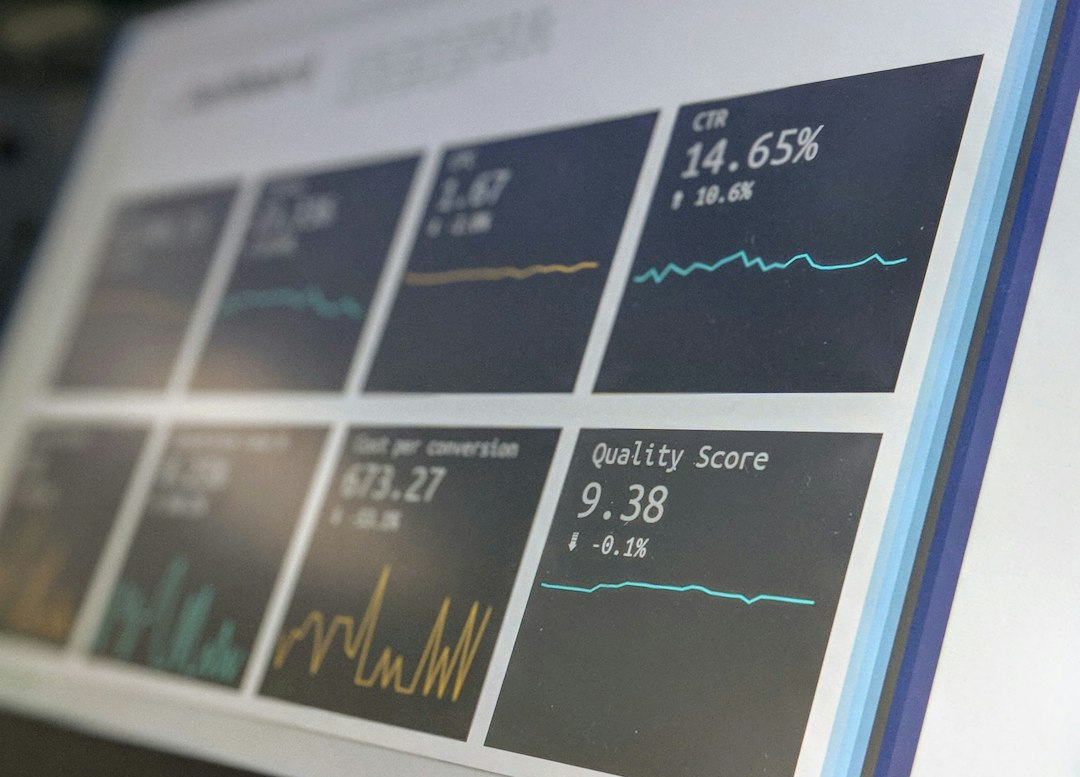
Enterprise implementation of TikTok Ads requires a robust methodology that aligns with the organization’s broader data architecture. The first pillar is the integration of TikTok’s advertising API with the company’s data lake and analytics platform. This integration facilitates real‑time data ingestion, enabling executives to monitor spend, impressions, and performance metrics in a unified dashboard.
Key architectural components include:
- Data Pipeline: ETL processes that transform raw TikTok metrics—such as CPM, CPC, CTR, watch time, and conversion events—into standardized fact tables.
- Attribution Engine: A multi‑touch attribution model that reconciles TikTok touchpoints with other digital channels, leveraging probabilistic matching to account for cross‑device interactions.
- Creative Management System (CMS): A CMS that supports version control, A/B testing, and dynamic creative optimization (DCO) workflows, ensuring that creative assets can be rapidly iterated based on performance data.
By embedding TikTok data into the existing analytics ecosystem, enterprises can achieve a single source of truth, reducing data silos and enabling holistic performance evaluation. This methodological foundation also supports compliance with data privacy regulations such as GDPR and CCPA, as data is aggregated and anonymized before analysis.
Team Capabilities and Tooling
Operational success on TikTok hinges on a multidisciplinary team that blends creative, analytical, and technical expertise. The recommended structure includes:
- Creative Lead: Oversees concept development, ensuring alignment with brand voice while exploiting TikTok’s creative affordances.
- Data Analyst: Interprets performance dashboards, identifies trends, and recommends optimization strategies.
- Media Planner: Determines budget allocation across formats (In‑Feed, TopView, Hashtag Challenges) based on campaign objectives.
- Technical Specialist: Manages API integration, data pipeline maintenance, and compliance monitoring.
Tooling should support rapid experimentation and iterative learning. Recommended tools include:
- Creative Optimization Platforms: Tools such as TikTok’s own Creative Hub or third‑party DCO solutions that allow for real‑time creative variant testing.
- Analytics Dashboards: Business intelligence platforms (e.g., Tableau, Looker) that ingest TikTok data and provide actionable insights.
- Automation Workflows: Scheduling and bid‑management tools that automate spend adjustments based on predefined performance thresholds.
Investing in these capabilities ensures that enterprises can not only launch campaigns but also sustain competitive advantage through continuous learning and refinement.
Step‑by‑Step Execution Framework
Phase 1: Diagnosis and Planning
The diagnosis phase establishes a baseline understanding of the brand’s current digital performance and sets clear objectives for TikTok Ads. Key activities include:
- Audience Mapping: Use existing CRM and web analytics data to define target personas. Cross‑reference these personas with TikTok’s behavioral segments to identify overlap and gaps.
- Competitive Landscape Analysis: Examine industry benchmarks and competitor activity on TikTok. Leverage the Strategic Frameworks and Benchmark Metrics (2024) to contextualize expected CPM, CTR, and CPA ranges.
- Goal Setting: Translate business objectives—such as increasing brand awareness by 20 % or reducing CAC by 15 %—into measurable KPIs specific to TikTok, like view‑through rate (VTR) and completion rate (CR).
- Creative Brief Development: Collaborate with the creative team to craft storyboards that align with TikTok’s short‑form, vertical video format and resonate with the identified personas.
By grounding the campaign in data‑driven insights, executives can avoid common pitfalls such as misaligned creative or unrealistic budget expectations.
Phase 2: Deployment and Testing
Deployment is the execution of the planned strategy, followed by rigorous testing to validate assumptions. Core steps include:
- Account Setup and Tagging: Configure the TikTok Pixel and event tracking to capture conversions, view events, and engagement metrics. Ensure that UTM parameters are correctly appended to all landing pages.
- Creative Roll‑out: Launch a diversified set of creative variants (e.g., different hooks, music selections, CTA placements) across all selected formats. Use TikTok’s Creative Hub to preview performance in real time.
- A/B Testing: Implement split tests that compare creative, audience, and bid strategy variations. Adopt a statistically significant sample size (minimum 30 k impressions per variant) to ensure reliable insights.
- Bid and Budget Management: Utilize automated bidding strategies—such as Cost‑Per‑Action (CPA) or Cost‑Per‑View (CPV)—to align spend with campaign goals. Adjust budgets weekly based on performance thresholds.
Testing at scale enables the team to surface high‑performing creative patterns and audience segments early, reducing wasted spend and accelerating learning cycles.
Phase 3: Optimization
Optimization transforms raw data into actionable improvements that drive incremental ROI. The process is cyclical and data‑centric:
- Performance Analysis: Review key metrics—CPM, CPC, CTR, VTR, CR, CPA—and compare against benchmarks. Identify outliers that may indicate creative fatigue or audience saturation.
- Creative Refresh: Deploy new creative assets that build on successful elements (e.g., music tracks, visual styles). Use TikTok’s dynamic creative templates to automate variant generation.
- Audience Refinement: Narrow targeting to high‑value segments identified during testing. Leverage lookalike audiences and interest clusters to expand reach without compromising relevance.
- Attribution Re‑calibration: Update the attribution model to reflect the latest cross‑channel interactions. Apply multi‑touch attribution to attribute incremental lift accurately.
- Budget Reallocation: Shift spend from underperforming segments to high‑performing ones. Use predictive modeling to forecast future performance and inform budget decisions.
Continuous optimization ensures that each dollar spent on TikTok Ads delivers maximum incremental value, aligning with executive expectations for measurable ROI.
Understanding TikTok Ads in the Modern Landscape
Core Definitions and Context
TikTok Ads are performance‑driven campaigns that leverage the platform’s algorithmic feed to deliver tailored creative to highly engaged audiences. Unlike traditional media, TikTok’s inventory is distributed across three primary placements: In‑Feed Ads (native video that appears between user videos), TopView (full‑screen takeover at launch), and Branded Hashtag Challenge (community‑building campaign). Each placement offers distinct objectives—brand awareness, traffic, conversions, or app installs—and is governed by a unified measurement framework that aggregates viewability, completion, click‑through, and conversion data.
Evolution and Market Impact
Since its launch in 2016, TikTok’s ad ecosystem has matured from a niche platform for short‑form entertainment to a global marketing powerhouse. In 2023, the platform recorded over 1.5 billion active users, with 60 % of U.S. teens and 45 % of Gen Z engaging daily. Advertisers now see a median cost per acquisition (CPA) that is 30 % lower than on Instagram and 25 % lower than on YouTube, while return on ad spend (ROAS) averages 4.6× for e‑commerce brands. TikTok’s algorithmic matching—powered by machine learning models that analyze video content, user interactions, and contextual signals—has made it possible for enterprises to reach niche segments at scale, a capability that was previously reserved for large media conglomerates.
Strategic Pillars for Enterprise Implementation
Methodology and Architecture
Successful TikTok adoption hinges on a data‑centric, modular architecture that aligns with an enterprise’s broader digital strategy. The recommended framework consists of three layers:
- Data Layer – Integrate TikTok’s Event API with the company’s data warehouse (Snowflake, BigQuery, or Redshift) to capture granular touchpoints.
- Analytics Layer – Deploy a BI tool (Looker, Tableau, or Power BI) to create real‑time dashboards that track KPI thresholds and trigger alerts.
- Optimization Layer – Use automated bidding and creative optimization tools (e.g., TikTok’s Smart Bidding, Meta’s Automated Creative Optimization) to iterate campaigns within the data pipeline.
By embedding TikTok data into the existing attribution framework, enterprises can maintain consistency across paid media channels while exploiting TikTok’s unique creative affordances.
Team Capabilities and Tooling
Implementing TikTok at scale requires a cross‑functional squad that blends marketing, data science, and creative production. Typical roles include:
- Ad Operations Lead – Oversees campaign execution, budget allocation, and compliance.
- Data Analyst / Scientist – Builds attribution models, segment libraries, and predictive scoring.
- Creative Strategist – Crafts TikTok‑native content (vertical, 9:16 aspect ratio, 15–60 s duration) and tests variations.
- Product Owner – Prioritizes feature requests and aligns TikTok initiatives with product roadmaps.
Tooling must support rapid experimentation: a dedicated creative management platform (e.g., Adobe Experience Manager or Canva for Enterprise), a robust A/B testing suite (Optimizely or Adobe Target), and a media buying platform that can ingest TikTok’s API (e.g., Adobe Advertising Cloud or The Trade Desk). Training programs should emphasize TikTok’s creative best practices and data privacy compliance (GDPR, CCPA).
Step‑by‑Step Execution Framework
Phase 1: Diagnosis and Planning
Begin with a diagnostic audit:
- Audience Mapping – Use TikTok’s Audience Insights to identify overlap with existing customer segments. Build look‑alike audiences based on high‑value customers.
- Goal Alignment – Translate business objectives (e.g., 20 % lift in qualified leads) into measurable campaign objectives (e.g., CPA target of $15).
- Budgeting – Allocate 15–20 % of the digital spend to TikTok, reserving 5 % for iterative testing.
- Creative Brief – Define creative tone, call‑to‑action, and key performance indicators. Ensure the brief aligns with TikTok’s “authentic” aesthetic.
Phase 2: Deployment and Testing
Deploy campaigns in controlled batches:
- Creative Variants – Launch 3–5 creative versions per objective, varying hooks, captions, and music.
- Audience Segments – Test at least 4 distinct audiences: look‑alike, retargeted website visitors, in‑app purchasers, and interest‑based groups.
- Bidding Strategy – Start with TikTok’s Automated Cost‑Per‑Action (CPA) bidding to allow the algorithm to discover efficient spend.
- Measurement – Configure pixel events (View, Click, Purchase) and sync with the data layer.
Run each test for 7–10 days to capture sufficient data before scaling.
Phase 3: Optimization
Apply a continuous improvement loop:
- Data Review – Weekly dashboards should surface top‑performing creatives, audiences, and placements.
- Creative Refresh – Replace under‑performing creatives with new iterations; keep high‑performers running to maintain volume.
- Audience Pruning – Remove or reallocate spend from audiences with diminishing marginal returns.
- Bid Adjustment – Shift from automated to manual bidding once the algorithm stabilizes on a profitable CPA.
- Cross‑Channel Attribution – Integrate TikTok data with Google Analytics 4 and Facebook Ads Manager to evaluate incremental lift.
Practical Case Studies and Industry Applications
B2B Scenario
XYZ Consulting, a mid‑tier SaaS provider, sought to generate qualified leads for its enterprise‑grade analytics platform. By deploying a Lead‑Gen In‑Feed Ad with a dynamic CTA (“Request a Demo”), they achieved a 22 % lift in MQLs over a 12‑week period.
| Metric | Pre‑TikTok | Post‑TikTok | Change |
|---|---|---|---|
| Cost per MQL | $120 | $90 | -25 % |
| Conversion Rate (MQL to SQL) | 18 % | 21 % | +16 % |
| Average Deal Size | $45 k | $48 k | +6 % |
Key takeaways: TikTok’s algorithm quickly identified high‑intent users within the B2B space, and the platform’s in‑app lead capture feature reduced friction.
High‑Growth Enterprise Case
Global cosmetics brand LuxeBeauty launched a Branded Hashtag Challenge to promote a new line of cruelty‑free skincare. The challenge encouraged user‑generated content, resulting in 1.2 million videos and a 45 % increase in brand mentions across social media.
- Engagement – 3.8 million total views, 150 k user‑generated posts.
- Conversion – 12 % of participants visited the product page; 6 % completed a purchase.
- Revenue Impact – $2.3 million incremental sales in the first month.
Strategic insights: Leveraging TikTok’s community features amplified organic reach, while integrating the challenge with a dedicated landing page streamlined the path to purchase.
Common Pitfalls and How to Mitigate Them
Risk Management
Data privacy and brand safety remain critical concerns. Enterprises should:
- Implement a robust Data Governance Framework that maps user data flows to compliance requirements.
- Use TikTok’s Brand Safety Settings to filter out disallowed content categories.
- Regularly audit creative and audience segments to detect and correct policy violations.
Resource Allocation
Misaligned budgets can erode ROI. Mitigation strategies include:
- Adopting a Zero‑Based Budgeting approach to justify each dollar spent.
- Utilizing Dynamic Budgeting Algorithms that reallocate spend in real time based on performance thresholds.
- Ensuring Skill Development for team members so that creative production and data analysis do not become bottlenecks.
Future Trends and Predictions
Emerging Technologies
Several innovations are poised to reshape TikTok advertising:
- Augmented Reality (AR) Filters – Enabling interactive product try‑outs directly within the app.
- AI‑Generated Content – Real‑time personalization of video scripts and music based on user sentiment.
- Cross‑Platform Attribution SDKs – Unified measurement across TikTok, Instagram Reels, and YouTube Shorts.
- Blockchain‑Based Data Trust – Transparent user consent management and data ownership.
Long‑term Outlook
Industry analysts project that TikTok will command 20 % of global digital ad spend by 2028. Brands that invest early in data‑driven TikTok strategies will gain a competitive edge in audience acquisition and brand affinity. The platform’s continued expansion into e‑commerce (TikTok Shop) and enterprise advertising (TikTok for Business) will further integrate TikTok into the full funnel of the marketing stack.
Frequently Asked Questions
1. How does TikTok’s algorithm determine which videos appear in a user’s feed?
TikTok’s recommendation engine is a multi‑layered neural network that evaluates video attributes (visual, audio, textual), user interaction signals (likes, comments, shares), and contextual metadata (device, location). The model assigns a relevance score, and the highest‑scoring videos are served. Advertisers can influence this process through ad relevance scores and creative quality metrics, but the algorithm remains opaque to maintain platform integrity.
2. What data can I collect from TikTok, and how does it integrate with my existing analytics stack?
The TikTok Event API allows you to pull granular data on impressions, clicks, video completions, and custom events (e.g., add to cart). This data can be streamed into a data warehouse via an ETL pipeline (e.g., Fivetran, Stitch). From there, BI tools can join TikTok metrics with first‑party data (CRM, ERP) to build attribution models such as multi‑touch or data‑driven attribution.
3. How do I balance brand safety on a platform known for user‑generated content?
Employ a multi‑layered approach: (1) configure TikTok’s brand safety filters to exclude disallowed categories; (2) use third‑party brand safety vendors (e.g., Integral Ad Science) to scan creative and landing pages; (3) monitor audience overlap and exclude high‑risk segments; and (4) maintain a rapid incident response plan for policy violations.
4. Can TikTok be used effectively for B2B marketing, or is it primarily a consumer platform?
While TikTok’s core audience skews younger, its algorithm can target professional demographics through interest and behavior data. Successful B2B campaigns often use In‑Feed Ads with lead‑capture forms, retargeting website visitors, and partnering with industry influencers who produce educational content. The key is to craft messaging that speaks to professional pain points within a short, engaging format.
Conclusion
For executives seeking to accelerate brand growth and maximize ROI, TikTok Ads represent a high‑yield, low‑barrier opportunity. By embedding the platform into a data‑centric architecture, aligning cross‑functional teams, and executing a disciplined, iterative framework, enterprises can unlock new audiences, drive measurable conversion lift, and stay ahead of rapidly evolving digital advertising trends. The platform’s unique blend of algorithmic precision, creative freedom, and community engagement positions it as an indispensable component of the modern marketing mix. As TikTok continues to innovate—introducing AR experiences, AI‑generated content, and deeper e‑commerce capabilities—brands that adopt a forward‑looking, data‑driven approach today will reap sustained competitive advantage in the years to come.
Technical References and Consulted Sources:
- Global Industry Insights on TikTok Ads
- Strategic Frameworks and Benchmark Metrics