



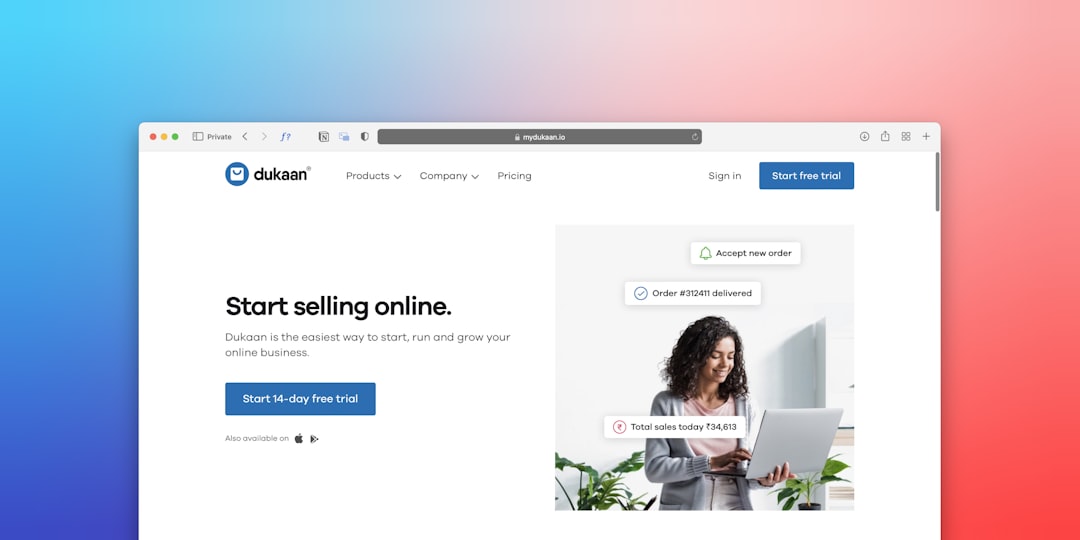
Revolutionizing Retail: Ecommerce Success

In the vast and ever-evolving landscape of online shopping, one thing is clear: ecommerce has become an indispensable part of modern retail. With millions of consumers turning to the internet for their purchasing needs, businesses are faced with the challenge of adapting to this shift or risk being left behind. But what exactly is ecommerce, and how can entrepreneurs and established companies alike harness its power to drive sales, boost brand visibility, and stay ahead of the competition? In this comprehensive guide, we’ll delve into the world of ecommerce, exploring its benefits, key strategies for success, and the latest trends shaping the industry.
Understanding Ecommerce: The Basics
At its core, ecommerce refers to the buying and selling of goods or services over the internet. This broad definition encompasses a wide range of activities, from business-to-business (B2B) transactions and business-to-consumer (B2C) sales to consumer-to-consumer (C2C) exchanges. The rise of ecommerce has been fueled by advancements in technology, changes in consumer behavior, and the increasing accessibility of digital platforms. Today, ecommerce is not just a niche market but a significant sector of the global economy, with sales projected to continue growing in the coming years.
For businesses looking to establish or expand their online presence, understanding the different models of ecommerce is crucial. These include:
B2B Ecommerce: This model involves businesses selling products or services to other businesses. It often deals with large quantities and is common in industries like manufacturing and wholesale.
B2C Ecommerce: This is the most recognizable form of ecommerce, where businesses sell directly to end consumers. Examples include online retailers like Amazon and Walmart.
C2C Ecommerce: In this model, individuals sell products or services to other individuals, typically through platforms like eBay, Craigslist, or Facebook Marketplace.
Each of these models presents unique opportunities and challenges, and identifying the right model for your business is the first step towards ecommerce success.
Building a Successful Ecommerce Strategy
Developing a successful ecommerce strategy involves several key elements, from choosing the right ecommerce platform to implementing effective marketing and customer service tactics. Here are some actionable tips to help you build a thriving ecommerce business:
Selecting the Right Ecommerce Platform: The platform you choose will be the foundation of your online store. Popular options include Shopify, WooCommerce, and BigCommerce. When selecting a platform, consider factors such as ease of use, customization options, payment gateways, and integrations with third-party apps.
Optimizing Your Website for User Experience: A well-designed, user-friendly website is essential for converting visitors into customers. Ensure your site is mobile-friendly, has fast loading speeds, and features clear product information and easy checkout processes.
Implementing Effective Marketing Strategies: Ecommerce marketing encompasses a broad range of activities, including search engine optimization (SEO), pay-per-click (PPC) advertising, social media marketing, and email marketing. Understanding your target audience and using data to inform your marketing decisions can significantly enhance your campaign’s effectiveness.
Providing Superior Customer Service: In the competitive world of ecommerce, excellent customer service can be a significant differentiator. This includes offering timely support, having a comprehensive FAQ section, and ensuring hassle-free returns and refunds.
By focusing on these areas, businesses can create a solid foundation for their ecommerce operations and set themselves up for long-term success.
The Future of Ecommerce: Trends and Innovations
The ecommerce landscape is constantly evolving, driven by technological advancements, changes in consumer preferences, and the rise of new business models. Some of the key trends and innovations shaping the future of ecommerce include:
Sustainability and Eco-Friendliness: Consumers are increasingly prioritizing environmental sustainability when making purchasing decisions. Ecommerce businesses can capitalize on this trend by adopting eco-friendly packaging, reducing carbon emissions, and promoting sustainable products.
Personalization and AI: Personalization is becoming a crucial aspect of ecommerce, with businesses using artificial intelligence (AI) and machine learning to offer tailored product recommendations, personalized content, and customized shopping experiences.
Social Commerce: Social media platforms are evolving into full-fledged ecommerce channels, allowing businesses to sell products directly to consumers through social media. This trend is expected to continue, with platforms like Instagram, Facebook, and Pinterest investing heavily in social commerce features.
Omnichannel Retailing: Providing a seamless shopping experience across all channels (online, offline, mobile, etc.) is becoming a key strategy for ecommerce success. This involves integrating physical stores with online platforms, offering in-store pickup for online orders, and ensuring consistent branding and messaging across all touchpoints.
By staying ahead of these trends and innovations, ecommerce businesses can remain competitive and capitalize on emerging opportunities.
Key Takeaways for Ecommerce Success
In conclusion, the world of ecommerce offers immense opportunities for businesses of all sizes. To succeed in this dynamic and competitive landscape, it’s essential to understand the basics of ecommerce, develop a comprehensive strategy, and stay informed about the latest trends and innovations. Key takeaways from this guide include:
Ecommerce is a diverse and rapidly evolving sector, encompassing B2B, B2C, and C2C transactions.
Choosing the right ecommerce platform, optimizing for user experience, and implementing effective marketing and customer service strategies are crucial for building a successful online business.
Staying ahead of trends such as sustainability, personalization, social commerce, and omnichannel retailing can help businesses differentiate themselves and drive growth.
Whether you’re just starting out or looking to expand your existing ecommerce operations, the insights and strategies outlined in this guide can help you navigate the complexities of online retail and achieve ecommerce success. Remember, in the ever-changing world of ecommerce, adaptability, innovation, and a customer-centric approach are the keys to thriving in this exciting and rapidly evolving industry.
For more information on ecommerce strategies for business growth, check out our articles on Understanding the Basics of SEM and Building Authority and Reputation with SEO.
Key Takeaways:
- Ecommerce has become an indispensable part of modern retail.
- Understanding the different models of ecommerce is crucial for business success.
- Developing a successful ecommerce strategy involves several key elements, from choosing the right platform to implementing effective marketing and customer service tactics.